Do Self-Promotional Listicles Earn AI Citations? I Tested 89 B2B Queries To Find Out
Written by Adam Crookes 16.7K Followers

Summary
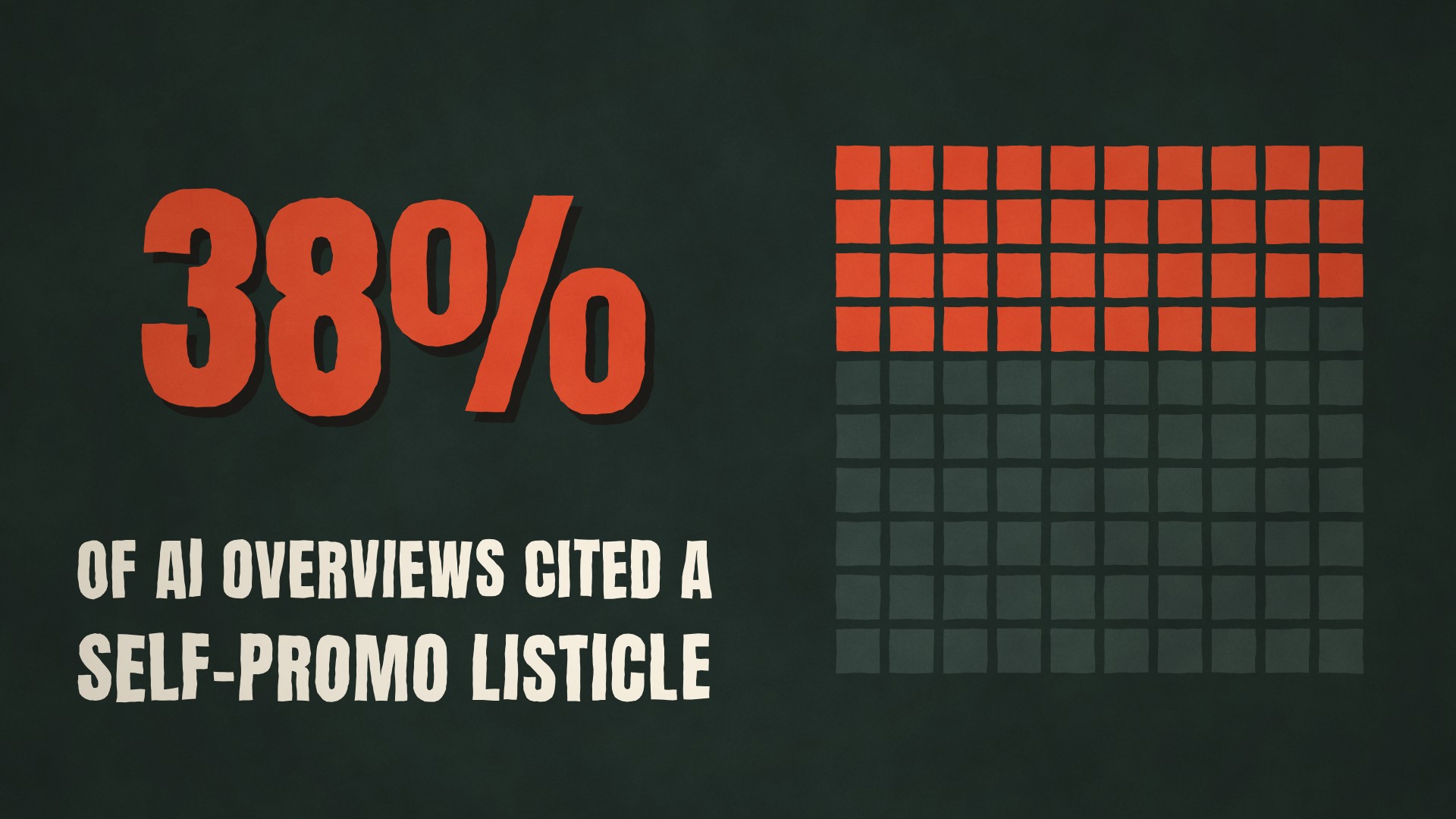
- I tested 89 B2B “best X services” queries from the UK and 38% of AI Overviews cited a self-promotional listicle.
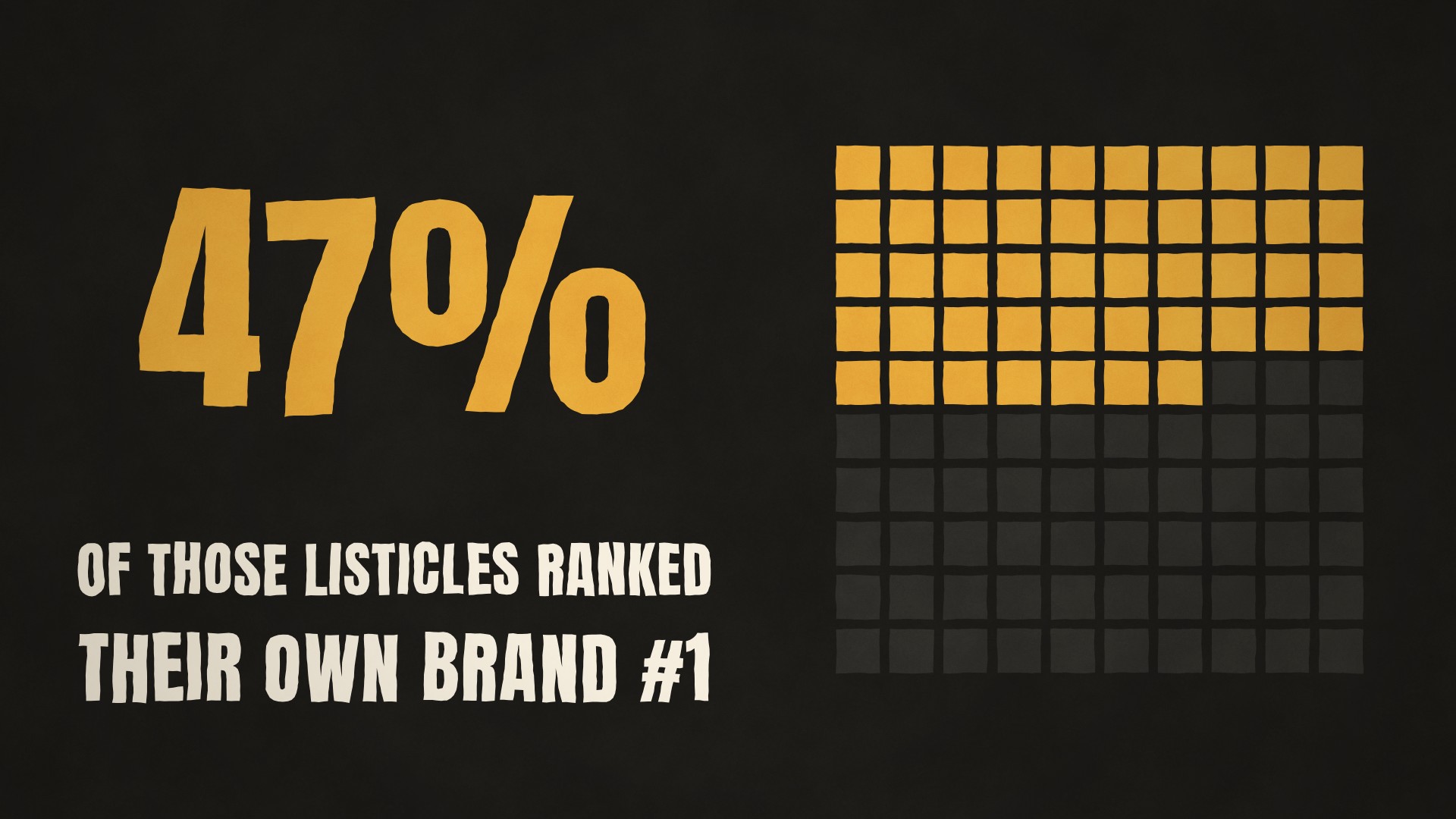
- 47% of cited listicles ranked their own brand first.
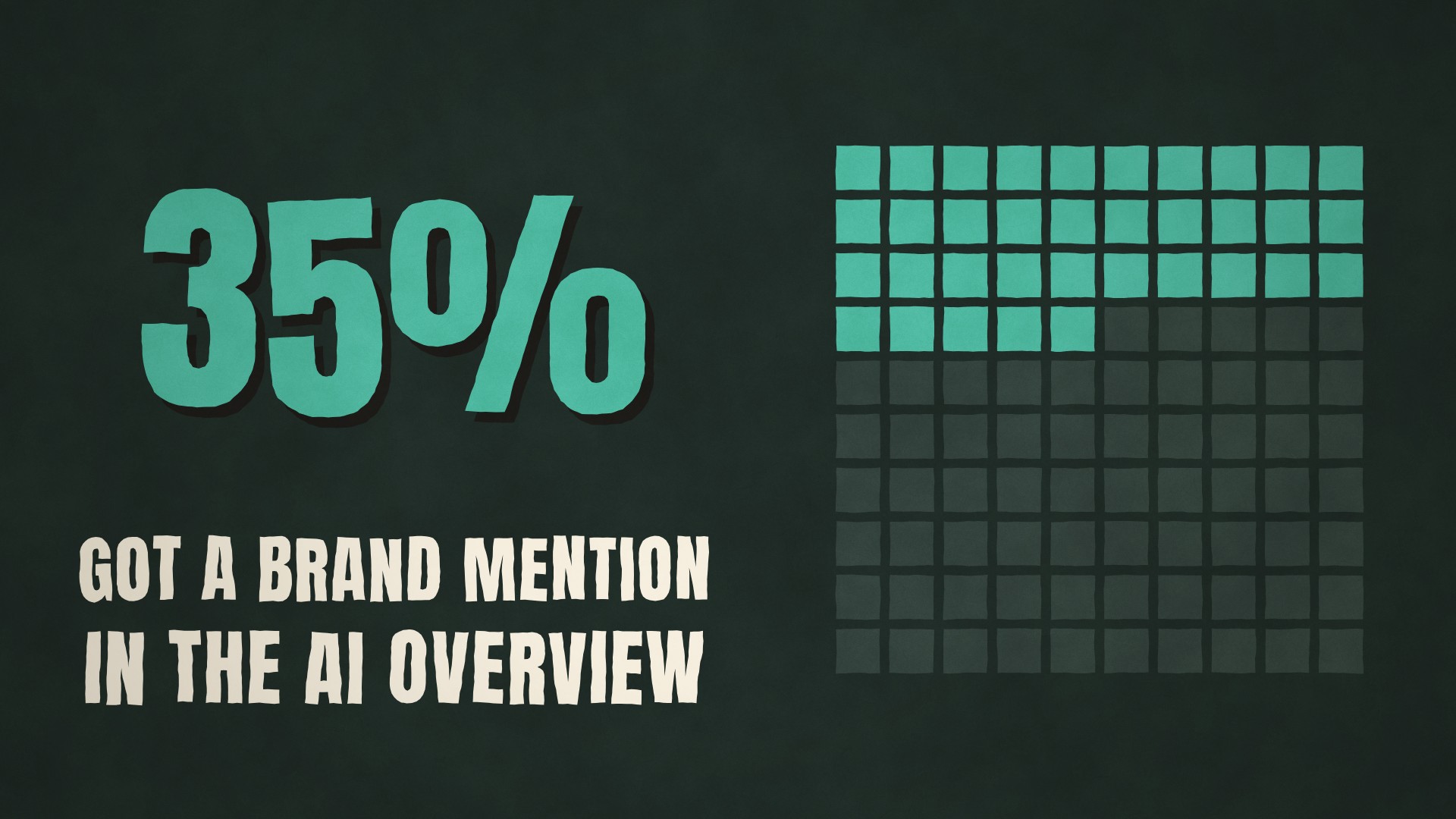
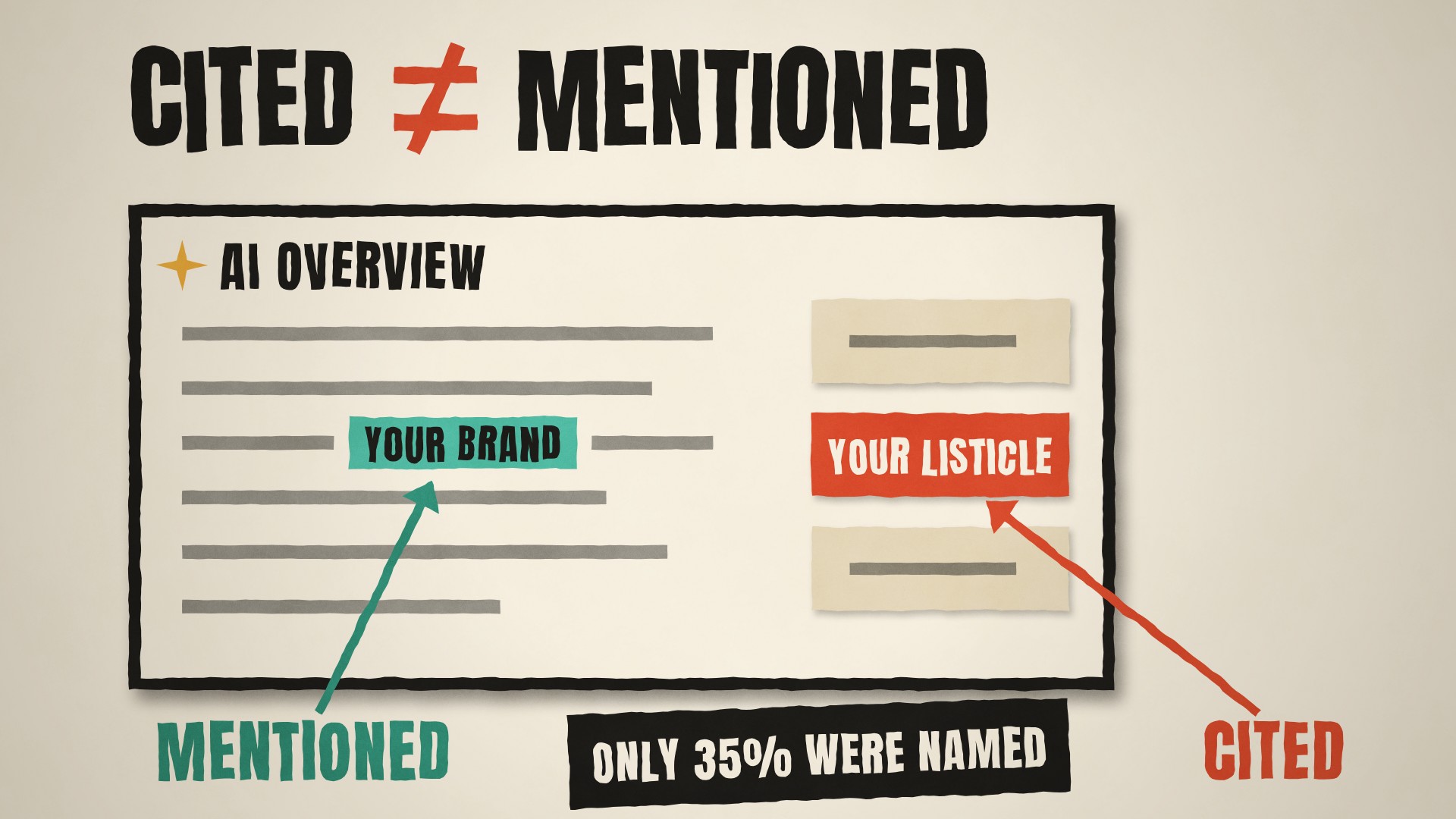
- 35% of those brands earned a brand mention in the AI Overview itself.
Why I Ran This Study
As you've probably seen on X, there's a big split in the SEO community right now on whether or not self-promotional listicles are useful for getting brand mentions in Google's AI Overviews.
You've got one camp saying that they're getting a ton of brand mentions through listicles on AI search.
And then others argue that you should stick to guest-post listicles on high-authority domains and avoid publishing them on your own website altogether.
Their thinking is that Google’s algorithm is more likely to trust independent thirdparty recommendations than content where a brand is essentially recommending itself.
We’ve all landed on biased “10 best X for Y” blog articles where the author is promoting their own product or service.
That’s what I mean when I say “self-promotional listicles.”
So, I dedicated to run my own little study to collect some data on this.
Sure, this isn't going to put the issue to bed or settle the debate, but I think it gives insight on where Google's AI overviews stand at the moment.
How I Ran It
I pulled together 89 B2B “best X services” queries.
I’m talking about search terms like “best payroll software for small businesses” and “best IT support companies in London”.
Every search was run from the UK on my MacBook, logged out, on a clean browser.
For each query, I noted whether Google’s AI Overview cited a listicle as a source.
I completed every search query manually and tracked everything in a Google Sheet.
I wasn’t going to leave this down to AI.
To do this study properly, I needed to see every each listicle citation with my own eyes.
Reading through the cited listicles, I checked to see where the authors ranked their own brands.
In most cases, the authors ranked their own brands in the top position.
These were classic self-promotional listicles.
Before clicking on each listicle, I also looked to see if the domain’s brand received a mention in the AI Overview itself.
I’m sure I could have got Claude to do all of this for me, but I wasn’t taking any chances.
What I Found
0%
of searches cited a self-promotional listicle
0%
of cited listicles ranked their own brand first
0%
received a brand mention in the AI Overview
89 B2B “best X services” queries, searched from the UK, November 2026.
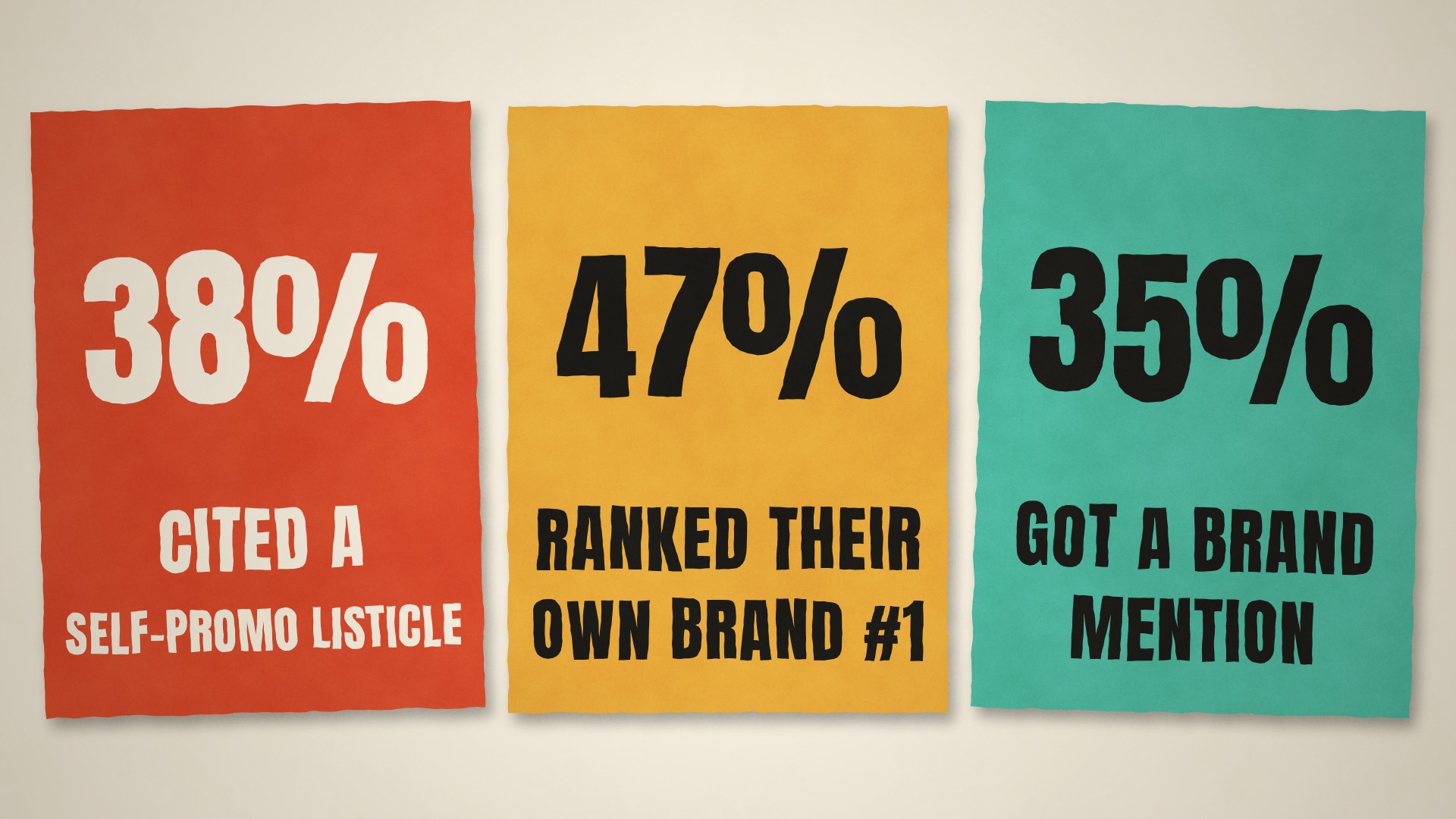
Here’s what came back.
So yes, self-promotional listicles absolutely get cited.
And nearly half the time, the brand behind the listicle puts itself at the top spot.
The 35% number is the most interesting because getting cited is not the same as receiving a brand mention.
What This Means For Your Brand
Google’s AI Overviews are not yet sniffing out bias the way a human reader would.
A well-structured listicle on your own domain is still a citation asset.
Reddit itself showed up as a cited source a few times in Google’s AI Overviews for these B2B queries, which is why Reddit mentions deserve a place in this conversation too.
But if your brand name isn’t in the answer itself, you’re probably just helping your competitors get brand mentions.
Will Google fix this?
It’s highly likely.
But right now, 35% of cited self-promotional listicles are getting brand mentions in Google’s AI Overviews.
Where Does This Leave Us?
If you’re going to publish a self-serving listicle, you need to be honest about it and acknowledge the bias.
In many of the listicles I read through, I saw things like:
- Co-authors with clear identities and credentials.
- First-hand proof of testing products/services with original data.
- Outbound links to authoritative, primary, or peer-reviewed sources.
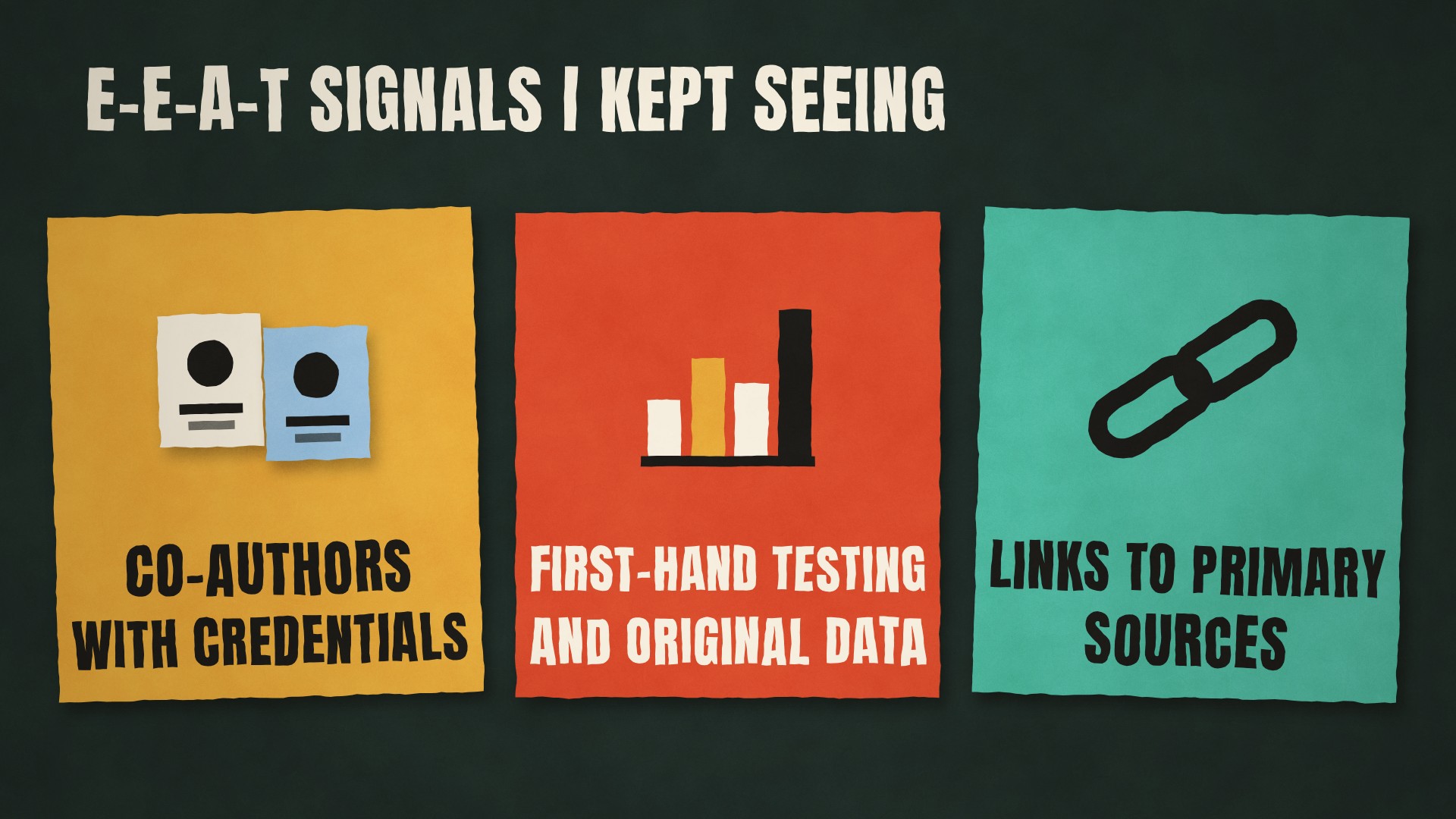
These are pretty standard E-E-A-T signals that Google’s automated systems and human quality raters use to evaluate the quality, credibility, and helpfulness of blog content.
If you’re not really being that helpful and it’s a clear self-promotion play, Google’s algorithm doesn’t have much incentive to cite your listicle.
As far as I’m concerned, good content is good content.
You can mention your brand in a listicle while still packing the content with immense value for the reader.

About the author
Adam Crookes
In 2019, I was laid off from a digital marketing agency. That was the push I needed to go all-in on Freshly Squeezed SEO.
I started by writing free, SEO-optimized articles for companies. Within a few weeks, those free articles turned into paying customers, monthly subscriptions, and the beginnings of a real business.
Seven years in, I’ve worked with dozens of companies on their SEO, helping them turn search traffic into real business and revenue. I’m more fired up than ever.
- SEO consultant since 2019
- Founder, Freshly Squeezed SEO
- B2B & SaaS search specialist
- Dozens of companies served
Reviewed by Adele Horwood. Last reviewed .
Follow Adam on X